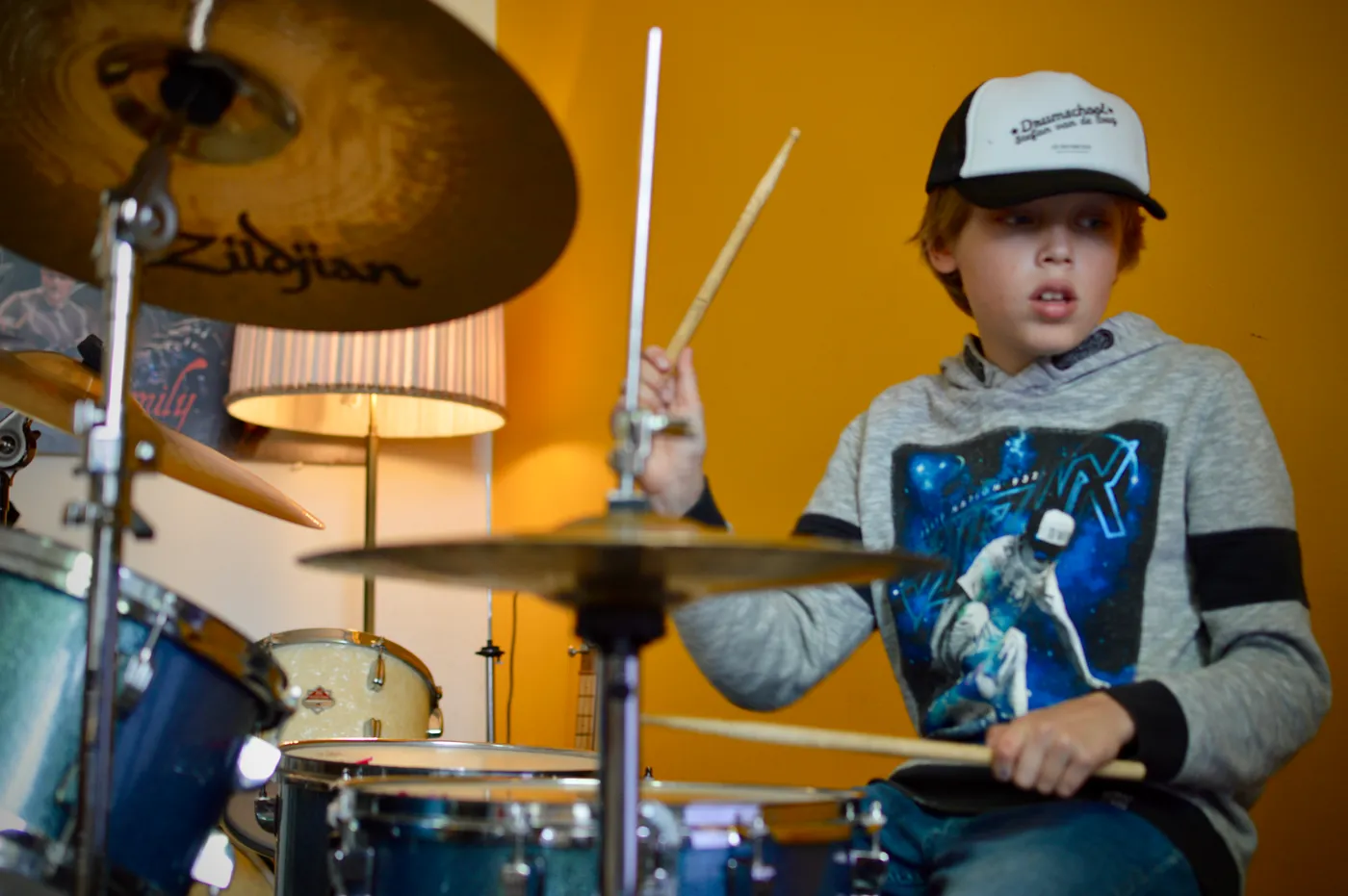
From Practice Fights
to Practice Joy
A guide for parents who want to better support their child in music lessons
Your child takes music lessons. In the lesson it goes well.
But at home it feels different.
What's really going on
Practising at home is rarely a matter of discipline.
It's about:
safety
motivation
tiredness
self-confidence
brain development
If you can't see what's behind the behaviour, you react to the behaviour.
"Why won't you listen?"
"Why do you give up so quickly?"
But behaviour is almost always a signal.
Once you learn to see what the signal means, something changes.
Not through more control. But through more understanding.
What this guide is
Not a parenting book. No theories. Twenty years of practice.
Practice, not theory
What I see every day in my lessons. What parents keep asking me. What works, and what backfires.
Small shifts
No grand gestures. Just small shifts in how you look and react, that make the difference at home.
Focused on the brain
How learning works in children. Why safety is essential. Why frustration is often a sign of growth.
What you get, 8 modules
About 1.5 hours of reading. Lifetime access. At your own pace.
Introduction
Why this guide exists and how to use it.
The first weeks
What really happens when a child starts music lessons. Why initial stress is normal.
Your role as a parent
Being present without taking over. Supporting without pressure.
Difficult moments
Motivation, resistance, and frustration. How to prevent tension without conflict.
Brain and emotion
How learning really works. Why safety is essential. Why frustration is often a sign of growth.
Practical tips
Concrete tools for at home: practice space, timing, feedback, words that help.
Working together with the teacher
When do you get in touch? How do you stay involved without needing to know everything?
Finally
What you take away. And an encouraging perspective.
Who is this for?
For parents of children in music lessons who:
You don't have to be a musician.
You just have to be a parent who wants to understand what's going on.
Applies to every form of music lesson, not just drum lessons.
Parents of children in music lessons
Children with ADD/ADHD or sensory sensitivity
Parents who want less conflict
Parents who don't know how to respond

Who wrote this
I'm Stefan van de Brug. Drummer and teacher. For more than twenty years I have been giving lessons to children and adults.
I'm not a parenting expert. But every week I see what happens when a child feels safe, and what goes wrong when that's not the case.
I work a lot with sensitive children and children with a different brain, ADD, concentration difficulties, sensory sensitivity. That makes me look at learning differently.
This guide is the answer to hundreds of questions from parents that I have received over the years.
Frequently asked questions
For parents who want to do it right
Fill in your name and email address and start reading right away. The reading link is also sent to your inbox, so you can always find the guide back.
no credit card · no sales pitch
We only use your details to send you the guide and a few practical follow-up tips.
You don't have to do it perfectly.
No parent always knows what's right.
But when you can better see what's going on, your response changes.
Then music at home feels less like something that has to happen
and more like something you experience together.
And that makes all the difference.
Rather experience how we teach right away? Book a free trial lesson for your child →